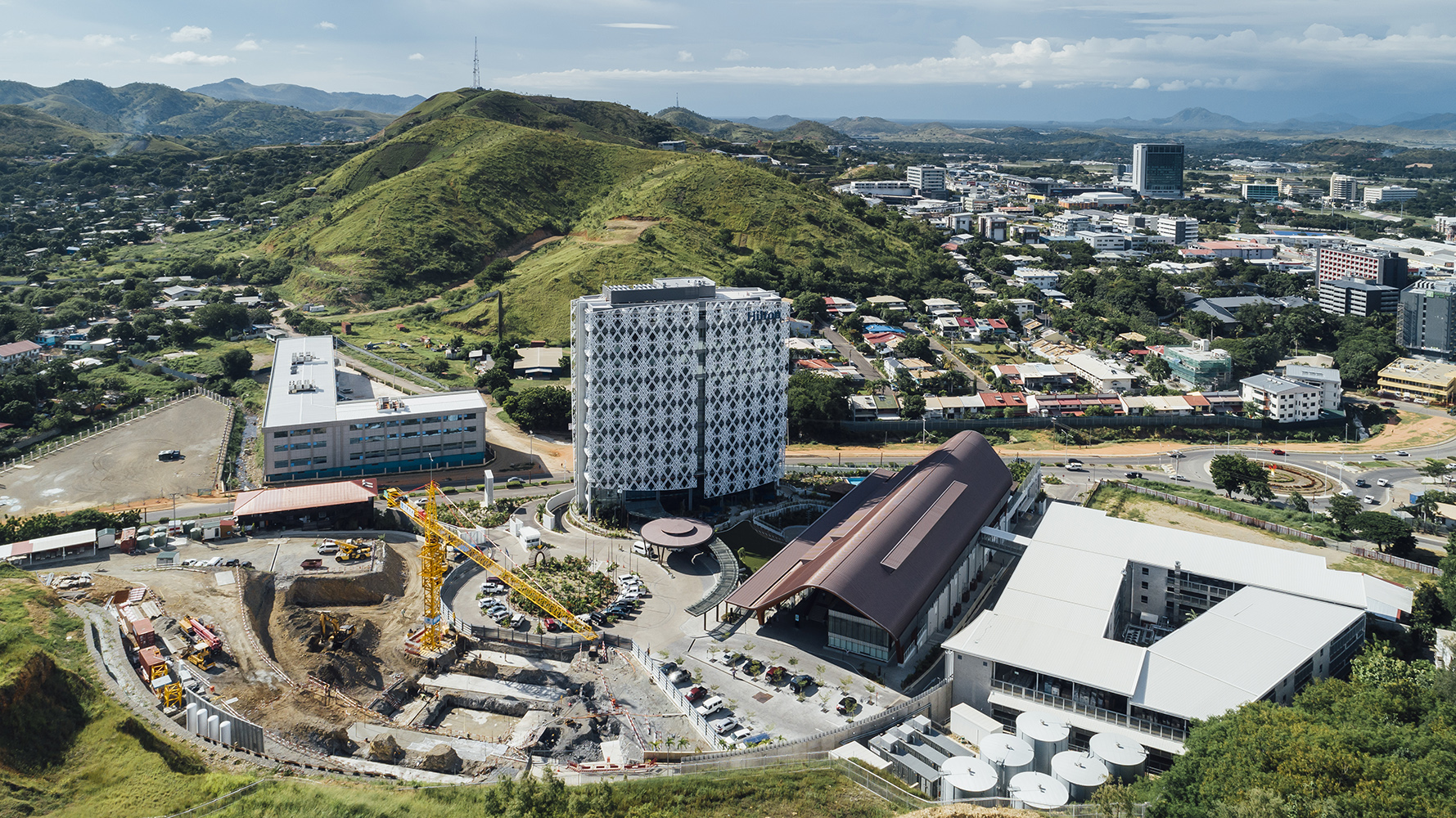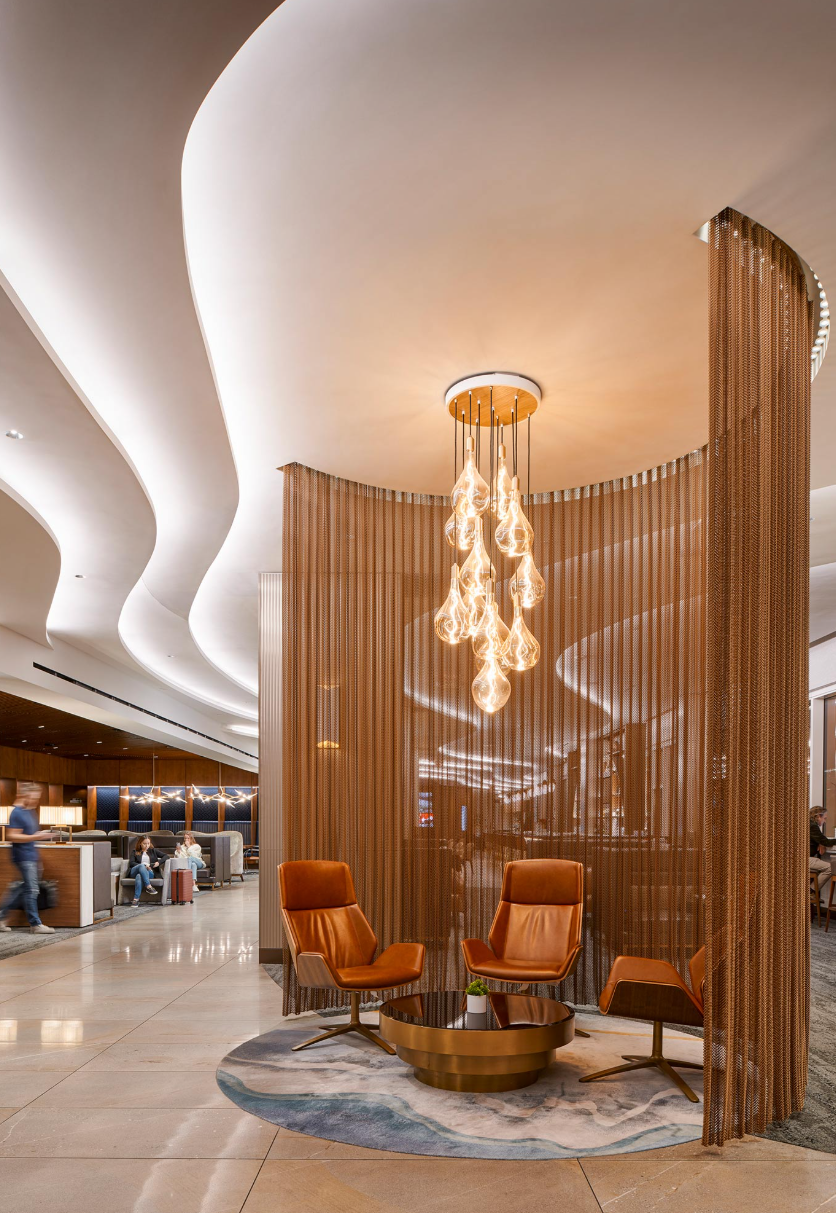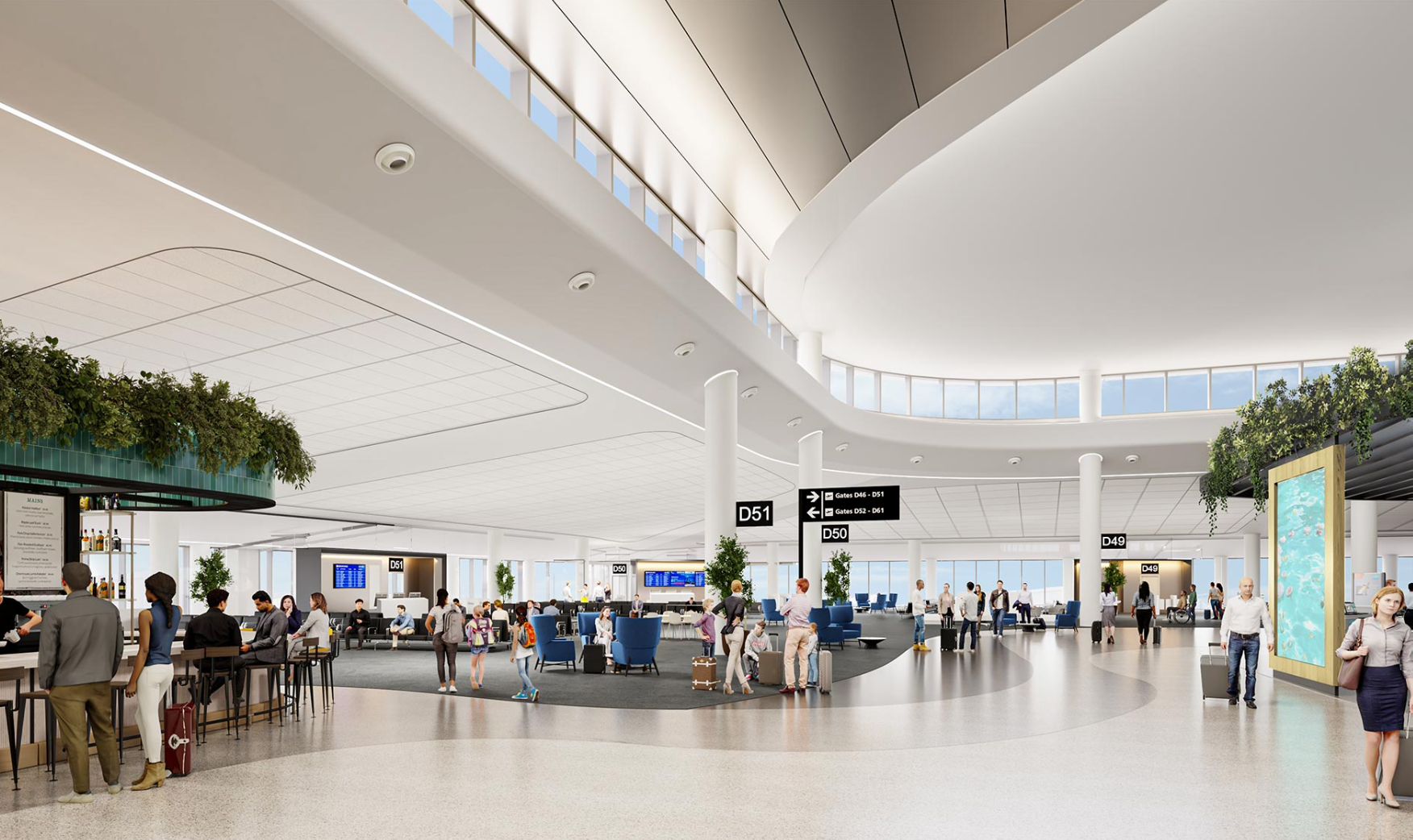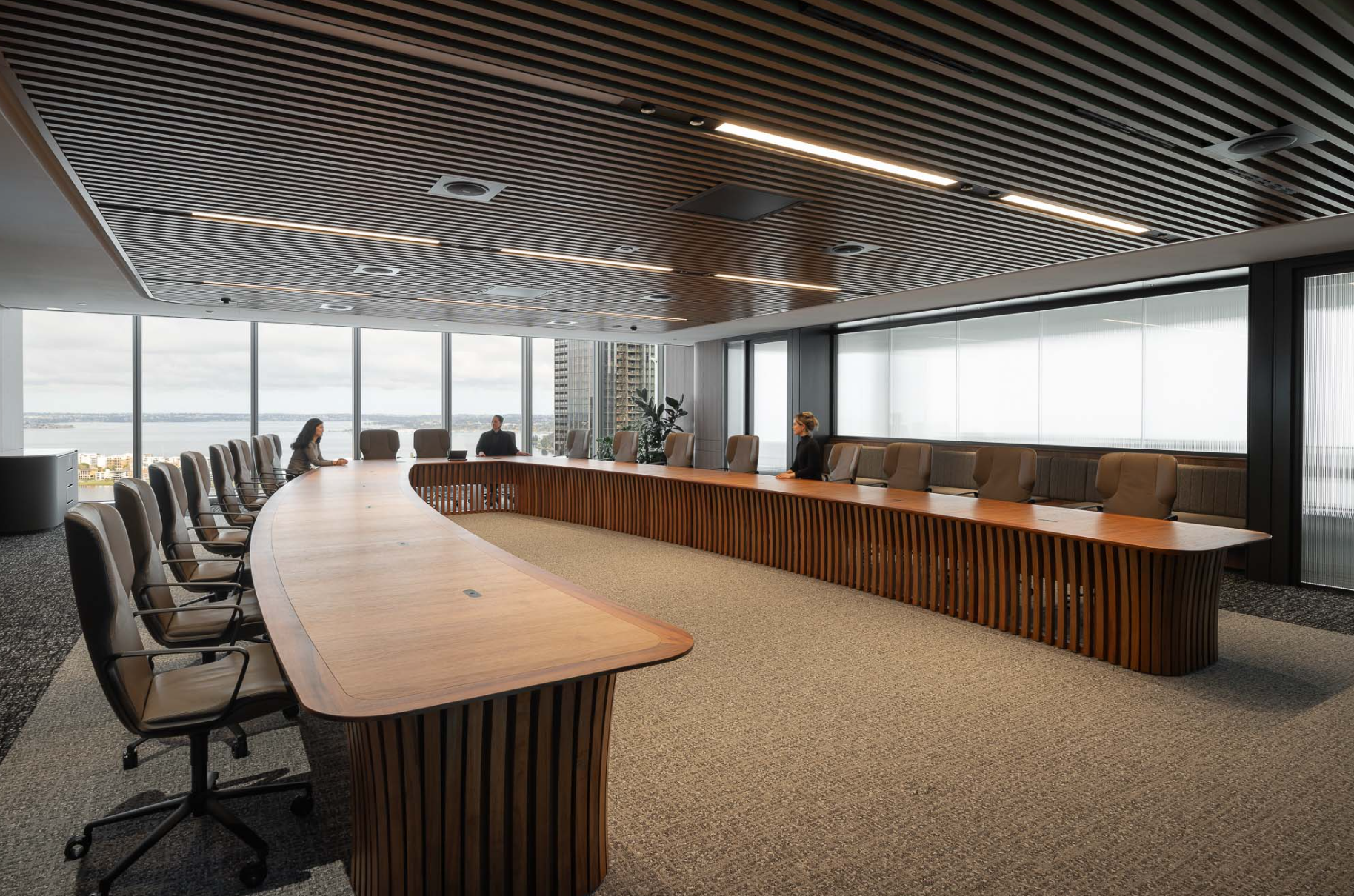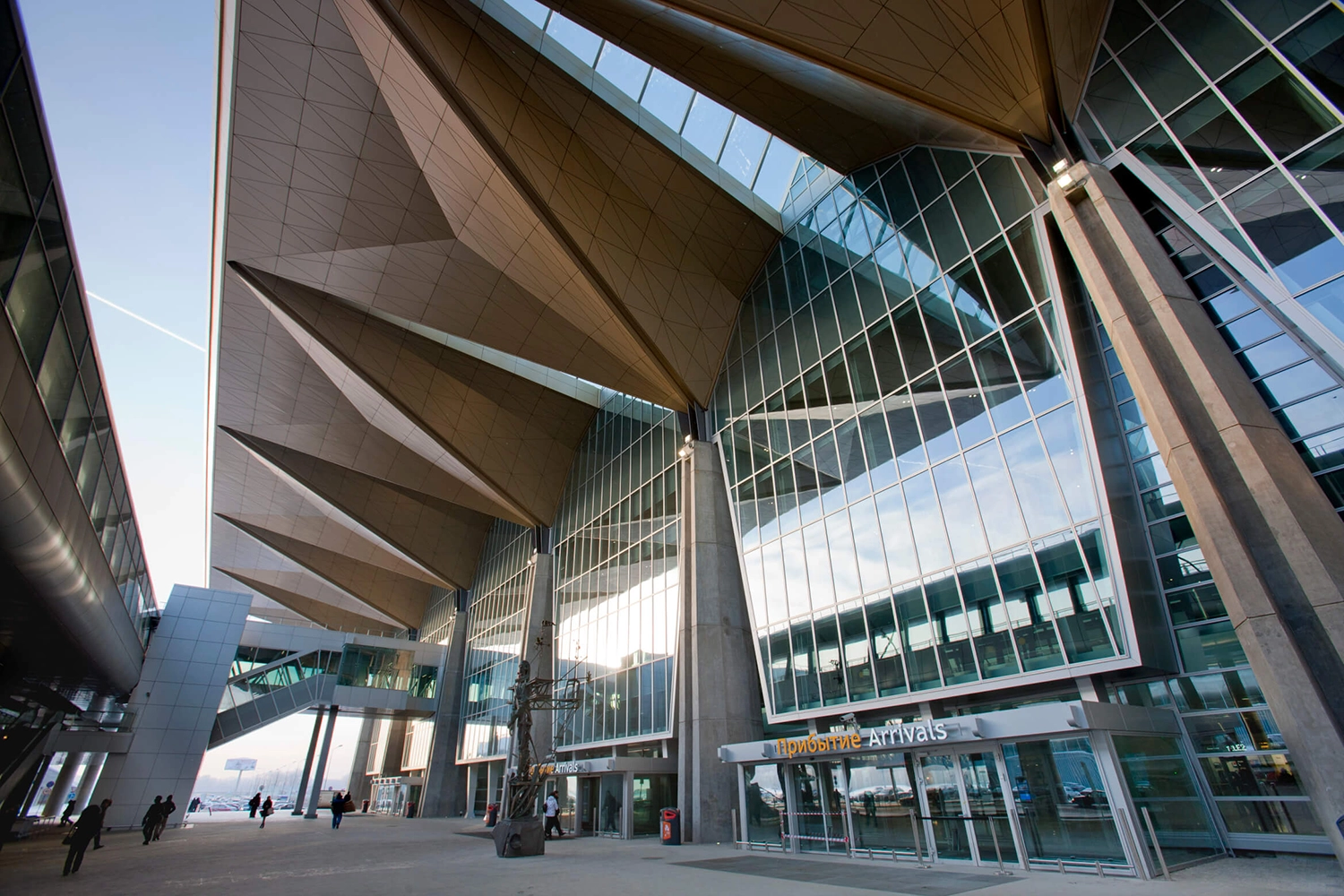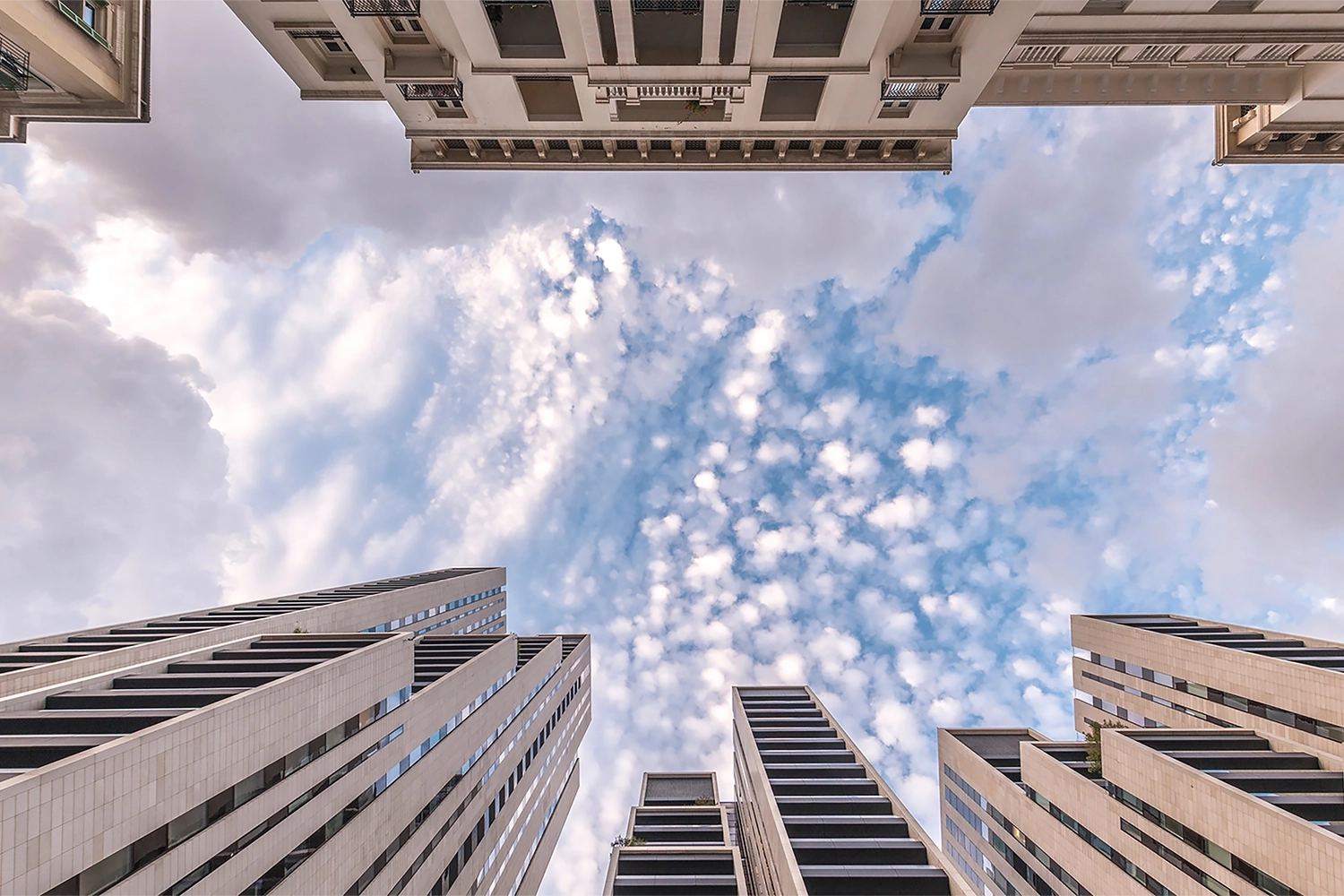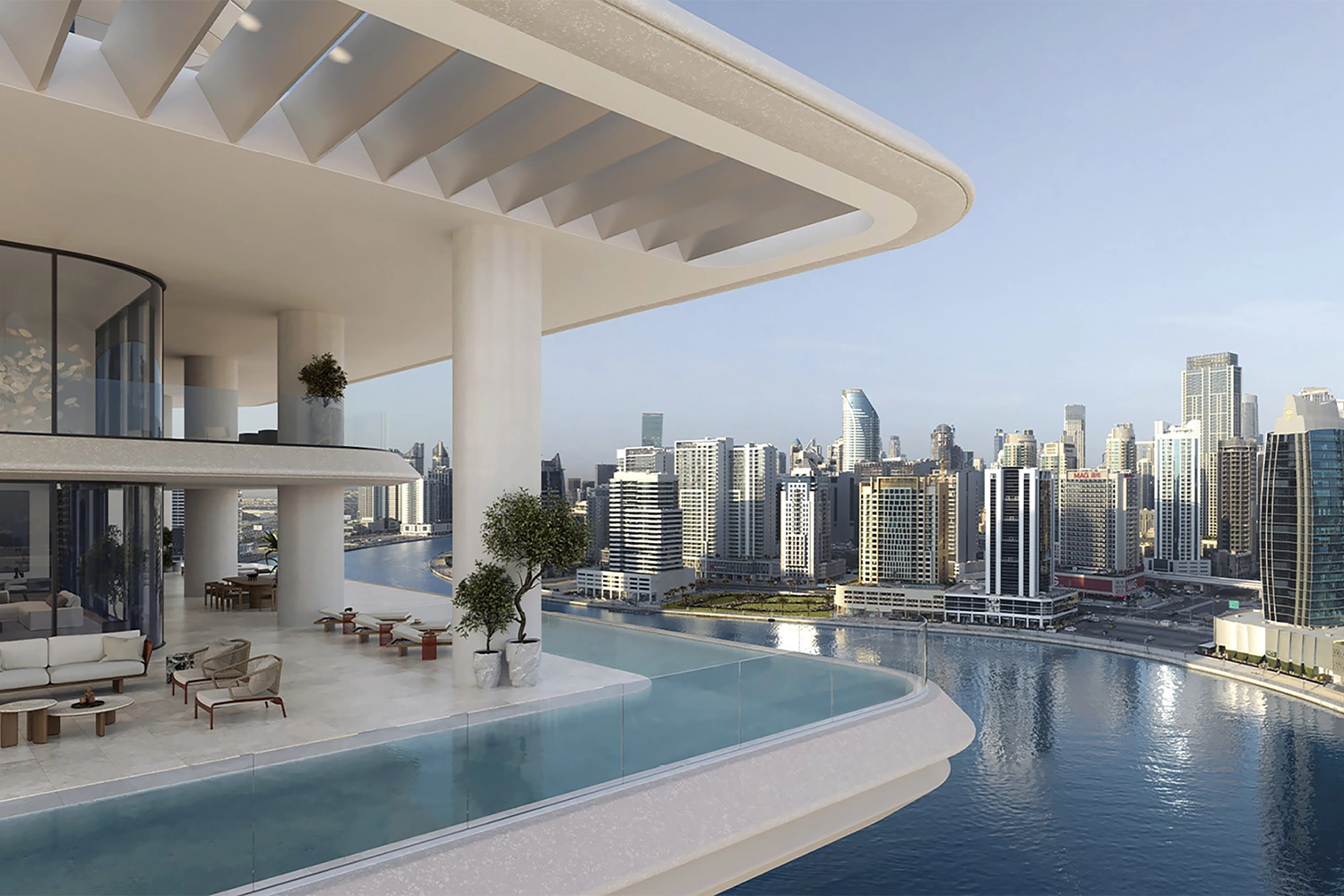
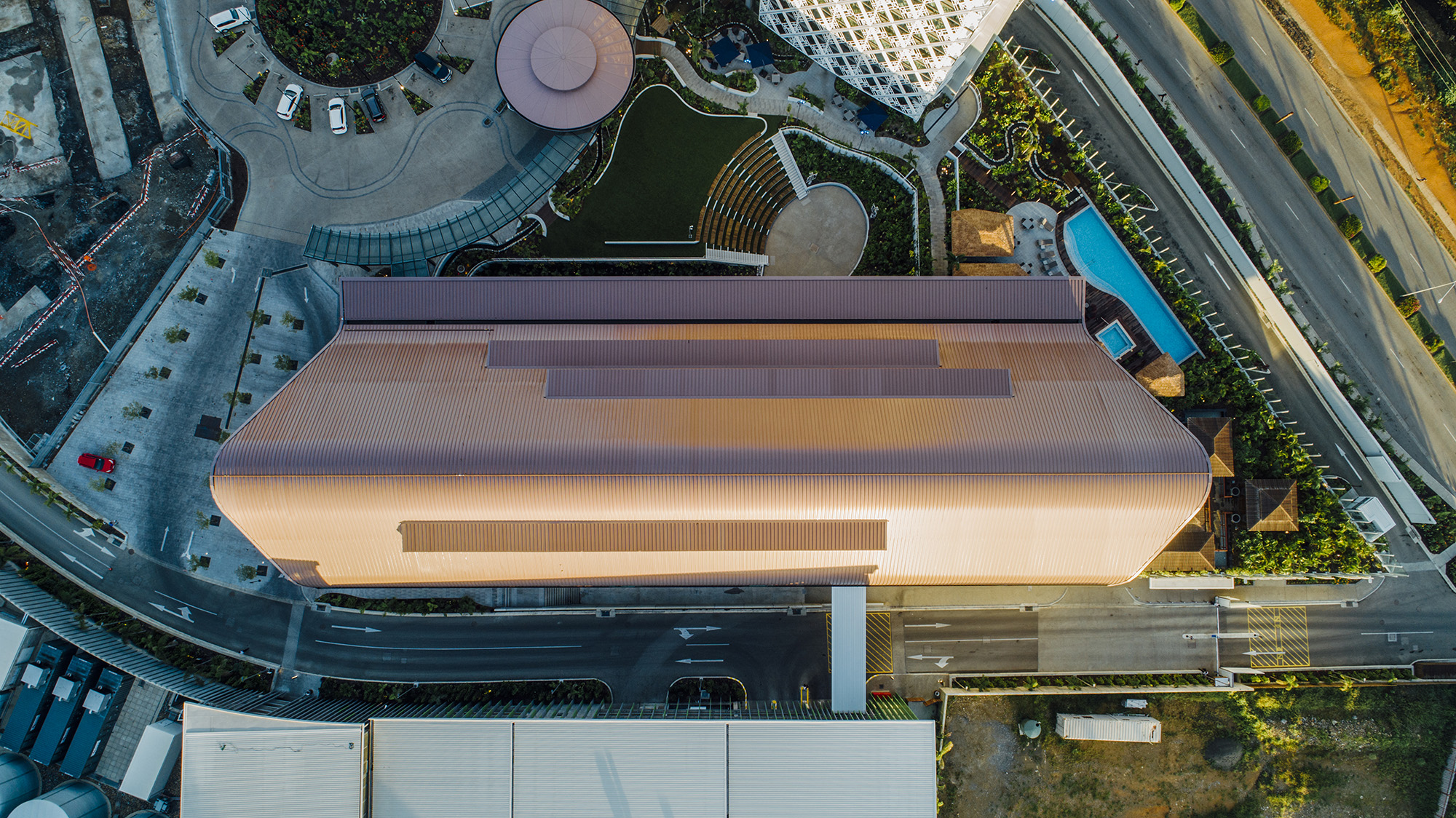
A building facade is often the first architectural element that shapes how a project is perceived, but it is much more than an exterior surface or a place to apply attractive materials and finishes. A well-designed facade should express the project's identity, complement its architectural form, and respond to the building's functional and environmental requirements.
Successful building facade design therefore depends on a connected set of decisions involving proportions, composition, openings, materials, colors, lighting, and site conditions. These elements should work together as part of one coherent architectural language.
Whether the project involves house facade design, villas, commercial developments, or office buildings, the objective is not simply to create an attractive exterior. It is to develop a facade that maintains its visual character and functional performance over time.
What Are the Key Principles of Successful Building Facade Design?
Professional architectural facade design begins with understanding the building itself rather than immediately selecting materials or colors. The project type, internal spaces, site conditions, circulation, openings, orientation, and user requirements all influence the final facade composition.
The facade should therefore be developed as part of the overall architectural solution rather than treated as a decorative layer separated from the building's function and identity.
Architectural Identity and Facade Composition
Architectural identity defines the visual character of a building, whether the design direction is contemporary, minimalist, classical, or based on a specific project concept.
This identity is expressed through the relationship between building masses, openings, lines, proportions, and materials rather than through a single decorative feature.
In modern facade design, for example, clear architectural forms, geometric compositions, balanced openings, and carefully selected materials can create a distinctive identity without unnecessary visual complexity.
Architectural Massing, Proportions, and Openings
Architectural massing plays an important role in defining the depth, rhythm, and overall character of a facade. Variations in projections, setbacks, volumes, and openings can give the building a stronger visual identity without requiring excessive decorative elements.
Window and door proportions should also be considered in relation to interior spaces. A successful facade balances exterior composition with natural daylight, views, privacy, and functional requirements.
This becomes particularly important in villa facade design and residential projects, where visual openness must often be balanced with the privacy of occupants.
Selecting the Right Facade Materials
The selection of facade materials directly influences the appearance, performance, service life, and maintenance requirements of the building exterior.
Materials should not be selected based on appearance alone. Climate suitability, installation methods, resistance to external conditions, durability, cleaning and maintenance requirements, and compatibility with other architectural elements should all be evaluated.
In many cases, using fewer materials in a clear and intentional way can create a stronger and more coherent facade than combining numerous finishes without a unified design concept.
How Can a Facade Balance Aesthetics, Function, and Sustainability?
Successful facade design should not be judged solely by its visual impact or how attractive it appears in architectural renderings. The facade is an active part of the building and can influence natural lighting, heat exposure, privacy, visual comfort, and future maintenance requirements.
For this reason, facade design should be evaluated from aesthetic, functional, and environmental perspectives at the same time.
Natural Lighting and Privacy
The position and size of facade openings affect the amount of natural light entering interior spaces while also influencing views and user privacy.
The design should provide appropriate daylight without creating poorly considered openings that may result in privacy issues or excessive direct solar exposure.
The right balance varies according to building orientation, project type, local conditions, and the function of each interior space.
Architectural Facade Lighting
Facade lighting can introduce another dimension to the architecture after sunset, but successful lighting design does not require illuminating every part of the building.
Lighting can be used selectively to highlight architectural volumes, entrances, textures, materials, or specific design features while maintaining a controlled and balanced nighttime appearance.
Ideally, facade lighting should be considered during the architectural design process rather than added as a separate element after the facade has already been completed.
Sustainability and Long-Term Performance
Sustainability in facade design involves several interconnected decisions, including material selection, climate response, solar exposure, durability, service life, and maintenance requirements.
A well-designed facade should maintain its appearance and performance as effectively as possible over time. Materials and complex details should not create unnecessary long-term maintenance demands for the building.
The most effective facade solutions therefore balance architectural identity and visual quality with functionality, environmental considerations, durability, and long-term building performance.
Frequently Asked Questions About Building Facade Design
What are the most important elements to consider when designing a building facade?
Key considerations include architectural identity, massing, proportions, openings, facade materials, colors, lighting, privacy, climate conditions, durability, and maintenance requirements.
How do I choose the right facade materials?
Facade materials should be evaluated based on the desired appearance, climate suitability, quality, durability, installation method, cost, service life, and cleaning and maintenance requirements.
What makes a successful modern facade design?
Successful modern facade design typically relies on a clear architectural concept, balanced massing and openings, carefully considered proportions, and controlled use of materials and colors rather than excessive decoration.
Should facade lighting be designed together with the architecture?
Yes. Planning facade lighting during the architectural design stage allows it to be integrated with the building's massing, materials, and architectural details, creating a more coherent nighttime identity.
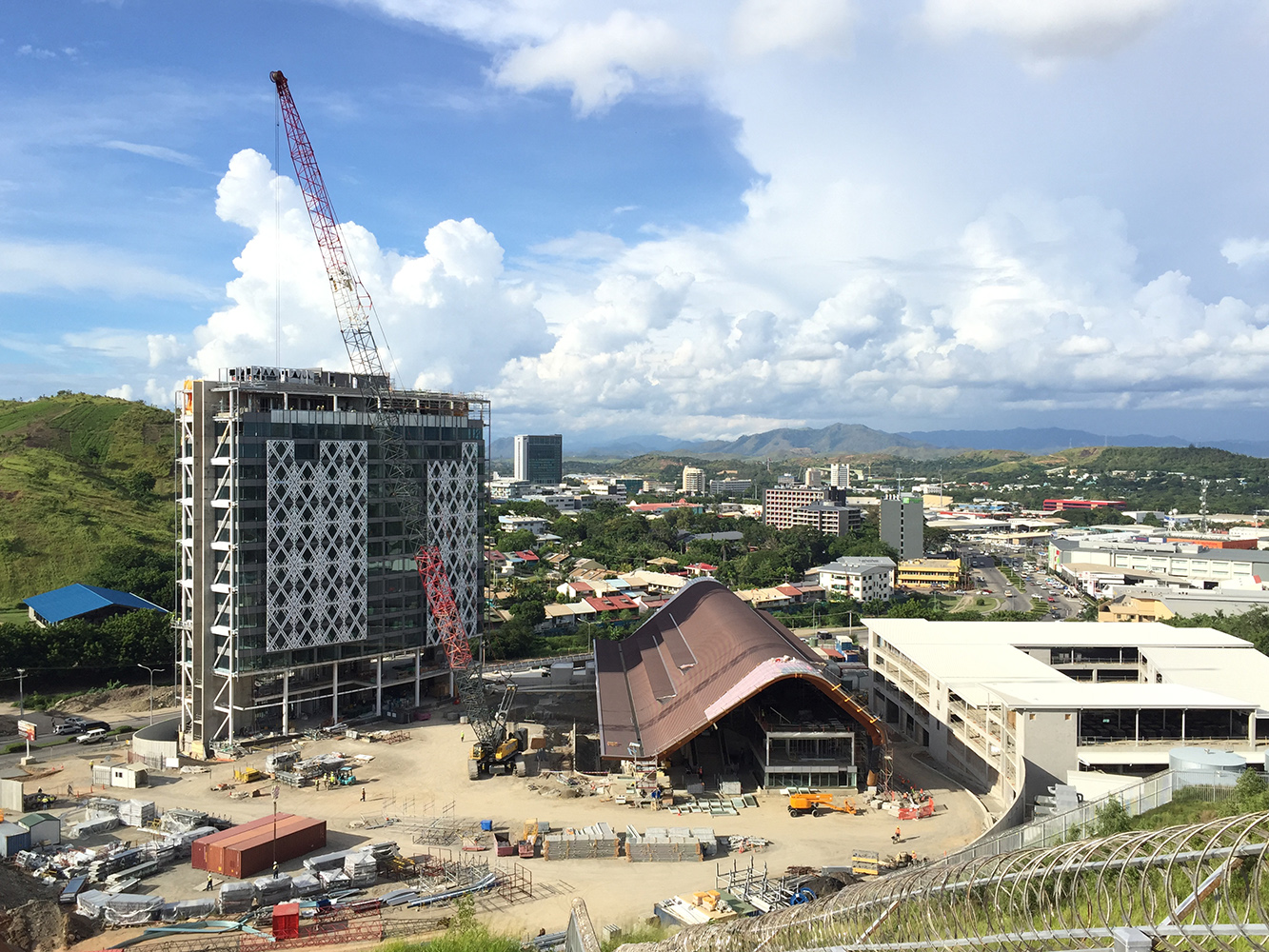
A practical guide to building facade design, from developing architectural identity and massing to selecting facade materials and lighting for a balanced, functional, and visually distinctive exterior.