The most expensive mistake in building materials is not paying more it is paying for a material only to discover after installation that it was never right for your project in the first place. This is why building materials consulting in Turkey should come before the purchasing decision, while there is still time to evaluate the options and correct the choice without costly consequences on site.
Technical consulting helps project owners evaluate materials before approval, review specifications, compare alternatives, and verify quality and expected performance. This ensures that purchasing decisions are based on what the project actually requires not on appearance or price alone reducing the risk of unsuitable materials and supporting better execution quality over the long term.
A material that looks ideal as a sample may still be unsuitable for the actual environment, maintenance requirements, installation method, or approved budget. The right selection therefore needs to balance performance, intended use, environmental conditions, cost, and execution requirements before final material approval is issued.
With this approach, Ergün Group combines technical and execution expertise to evaluate building materials, review available options, and align them with the specific requirements of each project helping project owners make better-informed decisions before moving from material selection to procurement and execution.
How Does Building Materials Consulting in Turkey Help You Choose the Right Material?
Building materials consulting in Turkey helps you choose the right material by evaluating its technical properties, comparing them with project requirements, verifying quality and expected performance, and assessing suitable alternatives before approving the material for procurement and execution.
No single material can be considered the best choice for every project. A product may perform exceptionally well in an indoor residential space but be unsuitable for an exterior façade or a high traffic commercial environment. For this reason, technical evaluation should begin with the conditions of use and project requirements, followed by specifications, quality, and cost.
Evaluate Materials Based on Use, Not Appearance
Appearance determines whether a material complements the design, but it does not answer the more important question: will it perform effectively after installation?
Before approving flooring, marble, ceramic tiles, doors, façades, or other finishing materials, several practical factors should be evaluated:
- Application area: Interior or exterior, dry or exposed to moisture and weather conditions.
- Project type: Residential, commercial, hospitality, or high traffic spaces.
- Usage intensity: The level of exposure to friction, scratches, and impact.
- Environmental conditions: Including temperature, humidity, and climatic variations.
- Maintenance requirements: Ease of cleaning, repair, and future replacement.
- Service life: How well the material maintains its performance and appearance over time.
Learn more: Interior Design in Turkey: How do you choose a company you can trust to execute your project?
Match Materials with Technical Specifications
Once a material has been confirmed as suitable for its intended use, the next question is more precise: does the proposed product actually meet the project's technical requirements?
A product name or catalogue image is not enough. Its technical data should also be reviewed, including:
- Dimensions, thicknesses, and permitted tolerances.
- Properties stated in the Product Data Sheet.
- Moisture resistance and environmental performance according to the intended use.
- Fire Rating requirements where applicable.
- Relevant performance and testing standards for the material.
- Required technical certificates and reports.
- The final sample and Material Approval requirements before procurement.
This review becomes even more important when the material interfaces with architectural details or other building systems. A small difference in dimensions, thickness, or fixing method can create an issue that only becomes apparent during installation. Matching materials with drawings and execution details helps identify such discrepancies before they reach the site, an area also supported by the coordination capabilities of BIM Services in Turkey in multidisciplinary projects.
Compare Technical Alternatives Before Purchasing
When several options are available for the same material, the comparison should not be reduced to a single question: which one is cheaper?
The best technical alternative is the one that achieves the right balance between project requirements and overall cost. Options should therefore be compared based on:
- Expected performance under actual conditions of use.
- Manufacturing and finishing quality.
- Long term maintenance requirements.
- Cost in relation to expected service life.
- Availability of the required quantities.
- Production and delivery lead times.
- Availability of future replacements or suitable alternatives.
- Impact on installation and execution stages.
Explore Ergün Group Services for material review, procurement, and technical coordination, and make more informed purchasing decisions before moving into execution.
What Should Be Reviewed Before Approving Building Materials?
Before approving building materials, you should review the technical specifications, samples, test results, manufacturing quality, intended use, and maintenance requirements. The material should also be compared with available alternatives and checked for compatibility with the design, budget, and execution requirements before final approval is issued.
Technical approval is not simply a signature on a sample or confirmation of a color and finish. It is a documented decision that allows a material to move from evaluation to procurement and execution. The more thorough the review at this stage, the lower the risk of discovering problems after quantities have been ordered or materials have arrived on site.
Review Samples and Tests Before Approval
A sample is the starting point, but it is not the only evidence that a material is suitable for the project. Its appearance may match the design while its performance characteristics or manufacturing quality fail to meet project requirements.
Depending on the material and project requirements, the technical review should include:
- Physical Sample: To assess the actual color, texture, dimensions, and finish.
- Mockup: When the material needs to be evaluated after installation or integration with other elements.
- Product Data Sheet: To verify the stated properties and technical specifications.
- Test Reports: To review the required performance test results.
- Material Certificates: To verify technical certifications where required by the project.
- Quality Inspection: To verify product quality before accepting the final quantities.
- Sample Approval: To document the approved sample and retain it as a reference for future comparison.
For this reason, approving samples before procurement is a critical step when importing finishing materials from Turkey, as it gives all parties a clear reference for what was agreed upon before preparation and shipping begin.
Review the Material's Impact on Execution and Maintenance
A material may pass its technical evaluation on paper yet create unnecessary complications during installation or higher costs once the project is in operation. It should therefore be assessed across its entire service life, not only up to the point of purchase.
Before approval, ask:
- Does the material require a special installation method or equipment?
- Are its weight and thickness compatible with the execution details?
- Can it integrate with adjacent materials and elements without conflicts?
- Are the fixing and installation details clear and practical?
- What are its routine cleaning and maintenance requirements?
- Will spare parts or replacement components be available in the future?
- Can damaged sections be repaired individually, or would the entire element need replacement?
- What is the expected service life in relation to its cost?
These considerations make the material's impact on execution stages part of the approval decision itself, particularly when installation depends on other works or specific milestones within the project schedule. This makes coordination with project management in Turkey essential to prevent a seemingly minor purchasing decision from causing a larger delay on site.
Ensure Technical Alternatives Are Available Before Purchasing
One problem that often appears too late is relying on a single product without considering what happens if it becomes unavailable. A model may face Product Discontinuation, production may be delayed, or its price may increase. Searching for an alternative under time pressure is one of the worst moments to make a technical decision.
It is therefore better to identify potential alternatives early and compare them according to:
- Required specifications and performance.
- Appearance, finish, and dimensions.
- Compatibility with the design and execution details.
- Price and long term cost.
- Availability and delivery lead time.
- Installation and maintenance requirements.
Explore Ergün Group Projects and see how material selection and specification decisions are translated into carefully planned execution outcomes on site.
Frequently Asked Questions
What Is Building Materials Consulting?
Building materials consulting is the process of evaluating and selecting materials before approval and procurement. It involves reviewing technical specifications, suitability for the intended use, manufacturing quality, test results, and expected performance to ensure that each material meets the project's requirements and can be executed to the required standard.
When Do I Need a Building Materials Consultant?
You may need a building materials consultant when a project involves specialized materials, high value finishes, or several technical alternatives that require careful comparison. Consulting is also particularly valuable for large projects where selecting an unsuitable material could lead to rework, additional costs, quality issues, or delays to the project schedule.
How Do I Know If a Material Is Suitable for My Project?
A material is suitable for a project when it meets the required technical specifications, delivers the expected performance in its intended environment, passes the necessary tests, and is compatible with the design, installation method, maintenance needs, and execution requirements.
Can Building Materials Consulting Help Reduce Costs?
Yes. Building materials consulting can reduce costs not by simply choosing the cheapest option, but by preventing costly decisions before they occur. This includes avoiding unsuitable materials, repeat orders and replacements, modifications after installation, and higher long term maintenance costs caused by materials that fail to deliver the required performance.
Ultimately, the right building materials decision is made before purchasing, not after the material arrives on site.
Every material that is technically evaluated, checked against specifications, reviewed through relevant tests and samples, and compared with suitable alternatives before approval gives the project greater control over the decision making process and reduces the risk of correcting mistakes later under time and cost pressure.
Do you need a technical material review before purchasing? Contact the Ergün Group team to evaluate your options, compare technical alternatives, and select the materials best suited to your project requirements before approval and execution.
Before purchasing materials for your project, make sure they are truly fit for purpose. Discover how building materials consulting in Turkey helps evaluate materials, verify specifications, and compare alternatives before approval and execution.

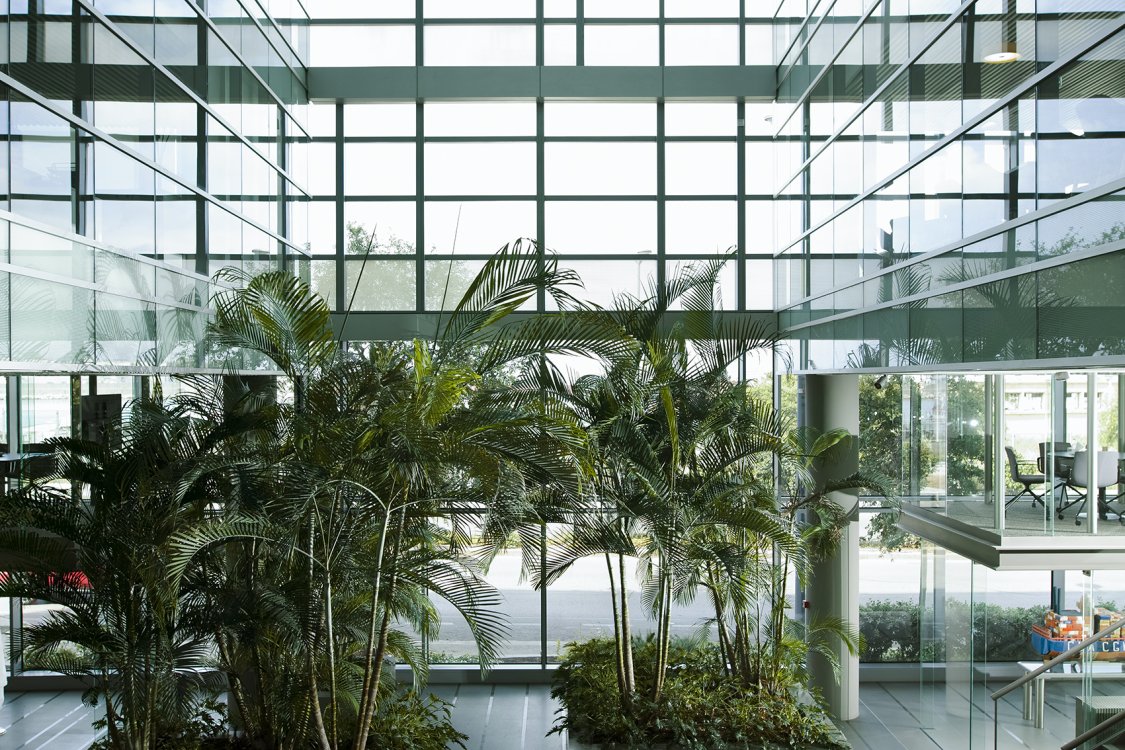
Building materials consulting in Turkey covering material evaluation, specification compliance, quality inspection, sample approval, and technical alternatives to select the right construction materials before procurement and execution.